From light urban pumpers to wildland tankers and airport ARFF vehicles — a short guide to matching the vehicle to the operating environment.
Choosing a fire truck is not only a technical decision — it is an operational one that directly affects response time, crew safety and value for money. Leading manufacturers such as ITURRI classify their vehicles by the operating sector they serve.
1. Urban (Structural) sector
These vehicles operate in cities and congested districts, so agility, a short wheelbase and fast deployment come first. They range from light rapid-intervention units to medium and heavy pumpers with larger tanks and high-pressure pumps.
2. Rural and wildland sector
Off-road capability becomes decisive: 4×4 drive, high ground clearance and vehicle self-protection systems against flames are essential. Pick-up based rapid-intervention vehicles are also available to carry crews and light equipment.
3. Airports (ARFF)
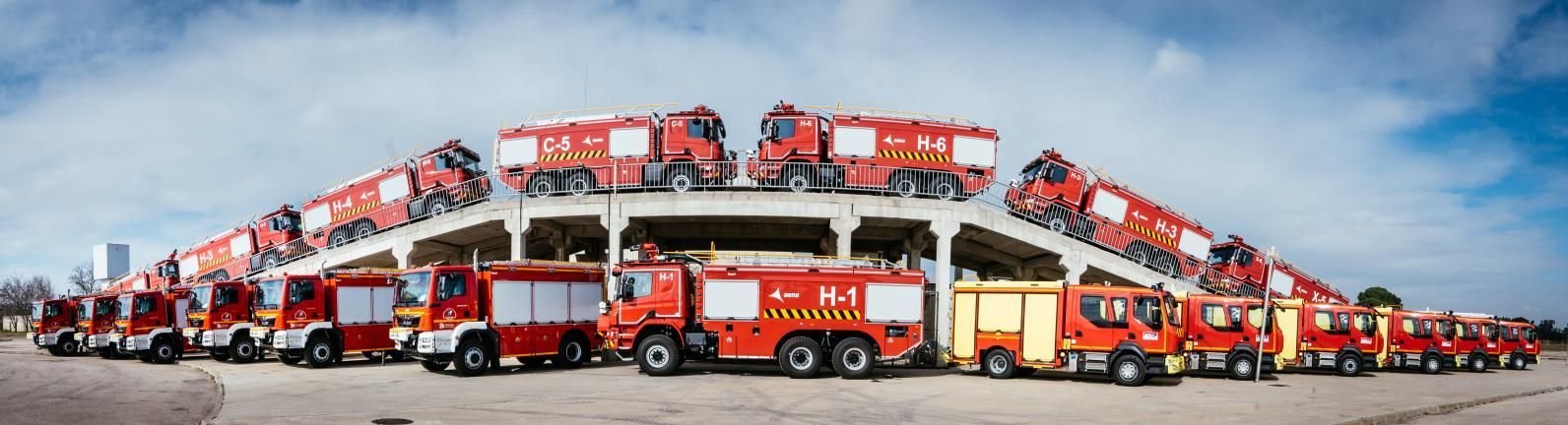
Aircraft rescue and firefighting vehicles are a category of their own, governed by ICAO standards. They require high acceleration and the ability to discharge foam on the move, and are tested on ramps and tilt surfaces to prove their stability.
4. Special missions
Mobile command and control units, hazmat and decontamination vehicles, and swap-body rescue containers — solutions that are usually designed to the customer’s requirements.
Conclusion
Always start with a risk analysis of your area of responsibility, then define the crew size, water and foam capacity and road conditions. Our team at AGD Ariyadh Trading is ready to help you prepare technical specifications and match them with the best global solutions.